
About Us

Our Story
Empowering Vulnerable Communities was born in Uganda in 2020 from the passion of three nurses with experience in humanitarian work in developing countries and in research. Our team has grown in the following months and years, integrating various professional figures and experiences, thus increasing the 'scientific capital' at the base of our decisions. In 2023, we therefore founded EVC Italia ODV (Volunteer Organization) to better support the activities of EVC Uganda. Since then we continued to grow, expanding our portfolio to Nigeria in 2025 and registering in Belgium as well in the same year.
Our activities began with a limited budget, collected as a 'wedding list', which we immediately decided to use to fulfill our 'mission'. We needed to create targeted, effective, and evidence-based projects to ensure the best use of the limited resources available.
In the last 5 years, we have developed 9 projects divided into 5 thematic areas, reaching all 217 target families in Uganda and >300 children in Nigeria. Some of our greatest achievements are:
Uganda:
-
80% of deliveries now take place in hospitals with specialized healthcare personnel ready for emergency interventions such as cesarean sections, while before our intervention, more than half of deliveries occurred in villages without medical supervision.
-
All families now cultivate a family garden and participate in our sustainable agriculture project, whereas before the project, no one cultivated their own garden.
-
All 10 villages are involved in our animal husbandry projects, while before, no sustainable breeding was taking place.
-
Some of the most elderly and vulnerable individuals now receive monthly support in food, comfort goods, and basic necessities.
-
In 5 years, we have facilitated more than 1,000 hospitalizations, limiting late presentations and early discharges against medical advice, as often happened before our healthcare access projects.
-
2 children have access to long-term education in quality institutions, giving them better future prospects.
Nigeria:
-
We established a sustainable production unit for the food we use for treating acute malnutrition in children under 5 years of age and pregnant or breastfeeding women, and enriched formulation called 'fortified blended flour' rich in nutrients.
-
In the first month, we enrolled over 300 acutely malnourished children with an excellent success rate, children who otherwise would not have been admitted to a nutrition program, putting their lives at risk (11 times higher risk of mortality).
Our Values
We Collaborate with Communities
Our projects are designed so that the very communities involved guide us in planning and above all, in implementing the projects.
We are Facilitators
We don't tell our collaborators what to do, but guide them in choosing what to do and how to do it, to achieve the best results through their own efforts.
We Base our Work on Scientific Evidence
We use scientific approaches, adapting them to our context and the needs of the communities we collaborate with, in order to offer the best responses to their needs, respecting local knowledge.
We Increase Human Capital
Through our empowerment approach, we equip our collaborators with the knowledge they need and support them in gaining experience to expand their capabilities, so that our actions have a meaningful, long-term impact.
We are Proactive, Innovative and Pragmatic
Together with our collaborators, we discuss new, evidence-based ideas and potential solutions so we can jointly assess their feasibility, level of interest, and the support needed to put them into practice.

The Vulnerable Populations We Support
We have chosen to support vulnerable communities in Kanungu District in southwestern Uganda and in Maiduguri, northeastern Nigeria. In Uganda, we work with the Batwa, one of the most disadvantaged Indigenous communities in the world. In Maiduguri (Borno State), we support pregnant or breastfeeding women and children who face a very high risk of mortality; children are also at heightened risk of growth and neurodevelopmental delays.
The Batwa and Their Challenges
-
One of the poorest and most vulnerable populations in the world.
-
They live in a marginalized state across 10 villages near the Bwindi Impenetrable Forest, which was their natural habitat before they were expelled from it.
-
Their life expectancy is only 51 years.
-
They are referred to as 'Pygmies', and their short stature results from growth delays caused by inadequate nutrition that persists throughout their lifetime.


The Malnutrition Problem
in Maiduguri
Maiduguri, in Borno State, northeast Nigeria, is facing a severe and escalating malnutrition crisis among children under five, pregnant women, and breastfeeding mothers. The lean season worsens the situation, overwhelming already fragile health services. The system cannot cope with the rising numbers, leaving many malnourished people untreated. Children affected face a 9 to 11 times higher risk of death compared to their well-nourished peers. Without urgent, scaled-up interventions, thousands will suffer lasting consequences, including stunting, poor maternal outcomes, disease, and preventable mortality.
Meet The Team

Fabrizio Loddo

Founder & CEO

Giulia Scarpa
Founder & President - EVC Belgium

Alessandra Middei
Global Program Manager
.jpeg)
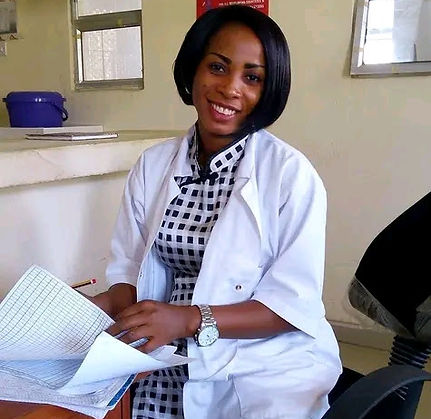
Margaret Remilekun
President - EVC Nigeria

Sabastian Twesigomwe
President - EVC Uganda
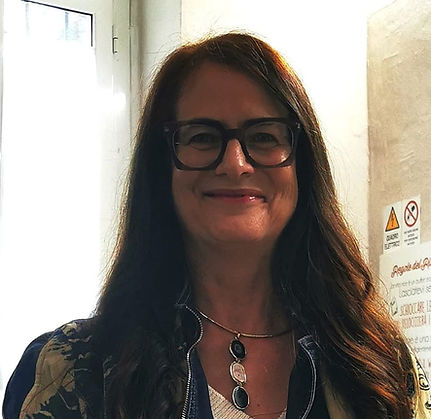
Antonella Delaurenti
President - EVC Italia